Date written
May 22nd, 2026
How to Resolve Conflict Between Teachers and Students (Practical Guide)
Table of Contents:
Conflict between teachers and students is a normal part of classroom life. Students may question directions, challenge assignments, or argue with peers, and teachers must respond in ways that maintain authority while fostering learning. Classroom management requires a proactive approach that balances structure, empathy, and skill-building. Teachers who respond calmly, model respect, and address issues promptly help students learn responsibility, positive relationships, and a better understanding of expectations while keeping the school day safe and productive.
Overview of Classroom Conflict and Student Learning
Classroom conflict occurs when a student’s behavior, perspective, or needs clash with teacher directions, classroom norms, or peers’ expectations. Students arguing, misunderstandings, and differing personalities are common, especially at a young age. Ignoring these disputes can disrupt the classroom, decrease student engagement, and negatively affect the learning environment.
Handled effectively, conflict becomes a learning opportunity. Students learn critical thinking, empathy, and problem-solving skills when teachers focus on behavior rather than labeling personalities. Teachers maintain a positive relationship with students, support peer relationships, and model ways to navigate disputes, preparing kids for conflicts they may experience in life and education beyond the classroom.
Preparing the Learning Environment to Prevent Conflict
A proactive approach to classroom management begins with clear expectations. Explicit norms, including behavior and discussion standards, reduce misunderstandings. Co-creating agreements with students encourages ownership and accountability.
Classroom setup matters. Seating arrangements, space for group work, and quiet areas for reflection reduce tension and help students self-regulate. Teachers can remind students of norms before potentially challenging activities and provide brief breaks to prevent frustration from escalating. This creates a secure environment where students can focus on learning while practicing respectful communication.
Teach Conflict Resolution Skills
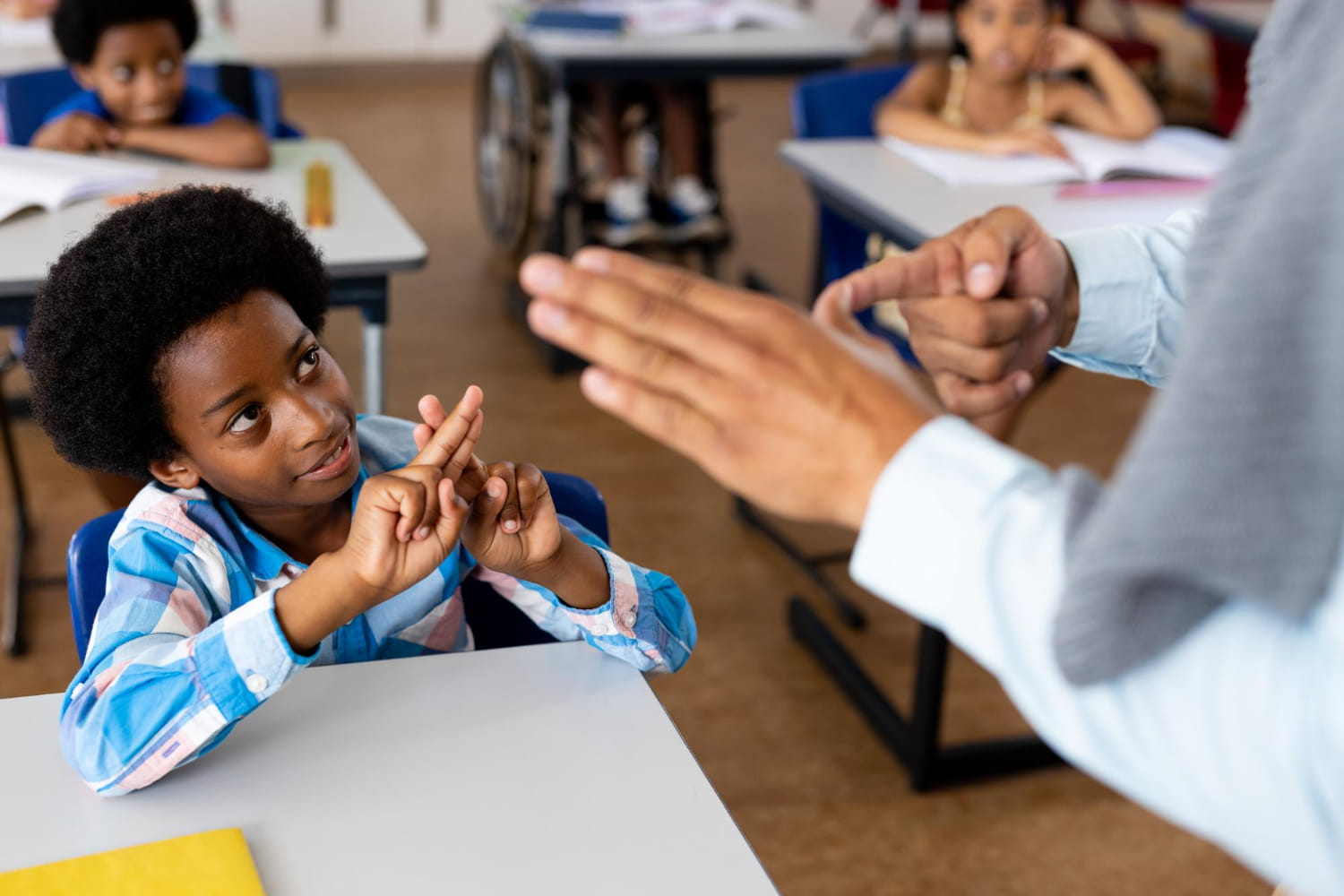
Conflict resolution skills equip students to handle disputes constructively. Active listening, paraphrasing, and using “I” statements help students speak about their feelings without blaming others. For example, a student might say, “I felt frustrated when my group didn’t wait for my input,” rather than “You ignored me.”
Role-playing common scenarios allows students to practice responses and gain confidence. Coaching students to paraphrase what peers say and check understanding fosters empathy and ensures they hear one another. Teachers can assess disputes and guide students through next steps, providing structure while allowing student voices to be heard.
Conflict Resolution Skills That Build Social Skills
Beyond resolving disputes, conflict management develops social-emotional learning. Perspective-taking exercises help students understand the student’s perspective and build empathy. Emotional self-regulation strategies, such as taking a deep breath or a brief break, allow students to respond calmly rather than react impulsively.
Teachers modeling respectful disagreement demonstrate real-life problem-solving and communication skills. Students who experience conflict under structured guidance learn to recognize and respond to disagreements respectfully, strengthening peer relationships and life skills.
Conflict Management Strategies for Teachers
Teachers’ reactions set the tone. Calm voice, measured pace, and neutral body language prevent escalation. Brief private check-ins with students help address concerns while maintaining dignity.
Restorative questions, such as “How did your words affect your peers?” or “What can you do to repair this relationship?” guide students toward accountability. Consistent disciplinary action may be needed, focusing on behavior rather than personal judgment. Written documentation of incidents helps teachers track patterns, plan next steps, and provide security for both students and educators.
Resolving Conflict Among Students
When students argue, allow a pause to cool off before problem-solving. Structured peer mediation encourages respectful perspective sharing, with students proposing solutions. Teachers act as facilitators rather than judges, helping kids take ownership of the resolution process.
This approach reinforces social skills, empathy, and communication. Mediation services may be used if disputes are recurring or high-impact, ensuring students learn to resolve issues constructively and maintain positive peer relationships.
Resolving Conflict With an Angry Student
Addressing an angry student works best in private. Teachers should speak calmly, maintain neutral body language, and offer a safe space for self-regulation. Follow-up conversations later in the school day help ensure the situation is fully addressed and students understand next steps. Conflict coaching can support teachers in refining scripts and responses for emotionally charged situations.
Managing Classroom Conflict During Group Work
Group activities naturally highlight different personalities and teaching styles. Establishing clear roles, collaboration norms, and expectations prevents disputes. Monitoring groups, intervening early, and rotating roles allows students to develop empathy, appreciate peer perspectives, and engage constructively.
Teachers who remind students to take breaks or reflect after tension arise prevent minor disagreements from escalating, preserving both learning and relationships.
Teaching Social Skills Through Activities
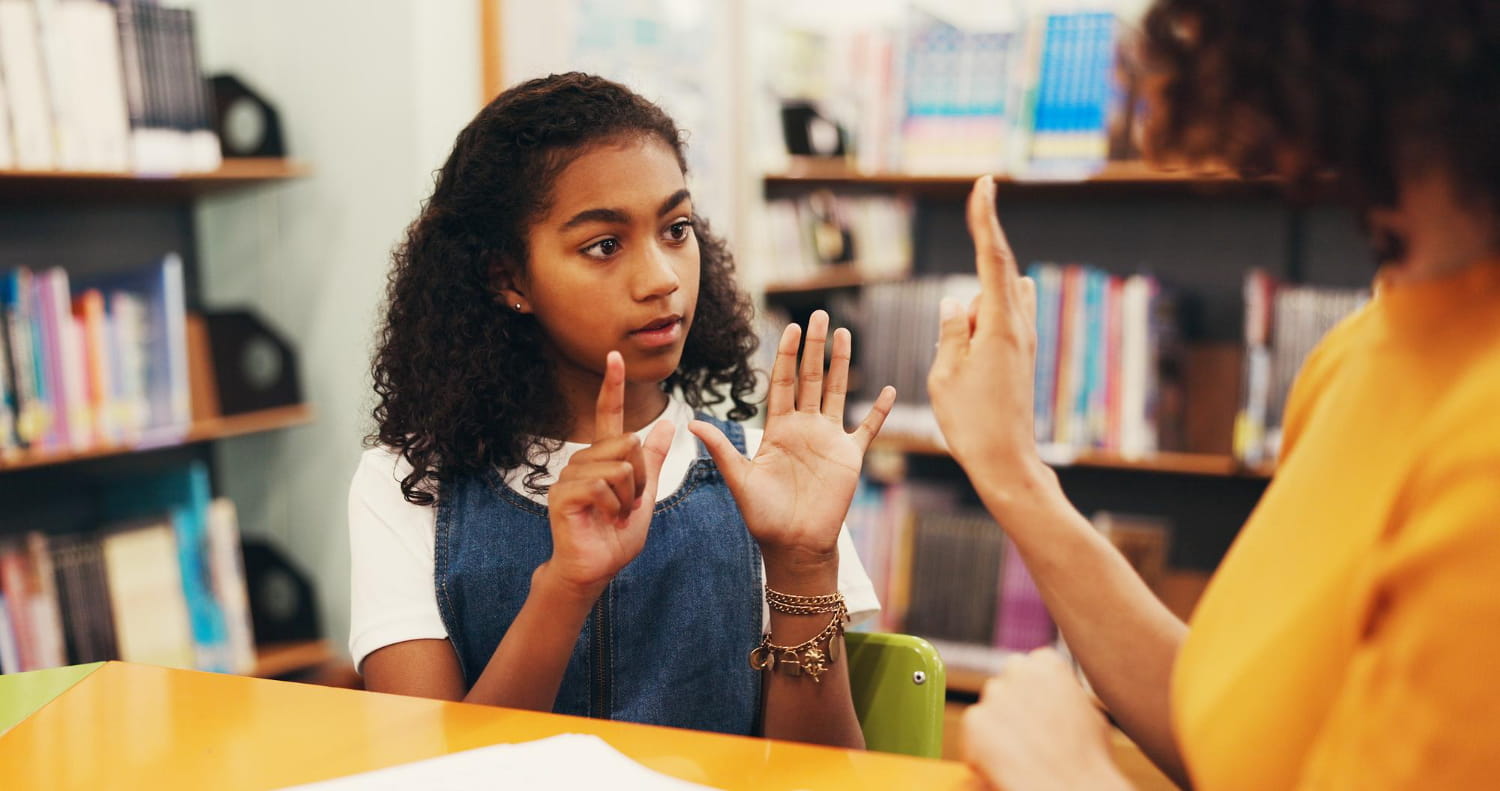
Role-play, reflective writing, and discussion prompts give students repeated practice in conflict resolution. Using classroom examples or stories encourages students to discuss multiple perspectives, helping them develop communication skills, empathy, and accountability. Students learn to recognize disputes, assess behavior, and respond thoughtfully, improving both classroom and life skills.
After Conflict — Restorative Steps to Support Learning
After disputes, a brief debrief or individual restorative conversation supports reflection and repair. Students can set personal restoration goals while understanding the impact of their actions. Documenting incidents and adjusting future lessons reinforces skills, promotes accountability, and ensures similar conflicts are addressed proactively. Teachers can also remind students of norms, reinforcing a positive classroom culture.
Resources and Ongoing Skill Development
Schools should provide access to SEL programs, conflict resolution curricula, and teacher reflection sessions. Coworker conflict resolution training ensures staff modeling reinforces classroom expectations. Regular skill development, observation, and reflection allow educators to respond to disputes effectively, maintain a supportive environment, and help students develop the knowledge, social skills, and strategies needed to manage conflict responsibly.
By teaching conflict resolution, modeling respectful communication, and providing structured support, educators foster an environment where students learn to engage thoughtfully, resolve disputes constructively, and build positive relationships that benefit classroom learning and life-long social development.
Share This Story, Choose Your Platform!
Related Posts